

القطاع
كيف تختار مزوّد سيولة للفوركس وعقود الفروقات في عام 2026
دليل تقييم للوسطاء وشركات التداول الاحترافي والصناديق عند اختيار مزوّد سيولة للفوركس أو عقود الفروقات في عام 2026 — المعايير الستة المهمة، والأسئلة الدقيقة التي يجب طرحها في المكالمة الأولى، وأنماط المزوّدين التي ستصادفها.
مزوّد السيولة الذي تختاره في عام 2026 سيحدّد ما يمكن لوساطتك أو شركة التداول الاحترافي أو صندوقك أن يقدّمه بمصداقية لعملائه خلال السنوات القادمة. الاختيار الخاطئ يكلّفك تسرّباً في الـ spread، ومعدلات رفض عند التنفيذ، ووقتاً في التكامل، ومرونة أقل في توجيه المخاطر. أما الاختيار الصحيح فيصبح غير مرئي — المنصّة تعمل، والعمق كبير، وجهة الاتصال رفيعة المستوى تردّ على مكالمتك.
يقوم هذا المقال بأمرين. أولاً، يعرض المعايير الستة التي ينبغي للمشتري المؤسسي الجادّ استخدامها فعلياً لمقارنة مزوّدي السيولة في عام 2026، مع أسئلة محدّدة يطرحها في كل مكالمة أولى. ثانياً، يصف أنماط المزوّدين التي ستصادفها خلال هذا البحث — بحسب نوع المشغّل لا بحسب العلامة التجارية، لأن قائمة المنافسين تتغيّر باستمرار بينما تبقى الأنماط ثابتة.
أما ما يتجنّبه هذا المقال عمداً فهو ترتيب أي جهة، بما في ذلك نحن. التصنيف الذي ينشره مزوّد ويضع نفسه في المقدمة لا قيمة له بالنسبة لك كمشترٍ. المعايير هي ما له قيمة. استخدمها لاختبارنا بالصرامة نفسها التي تختبر بها أي جهة أخرى.
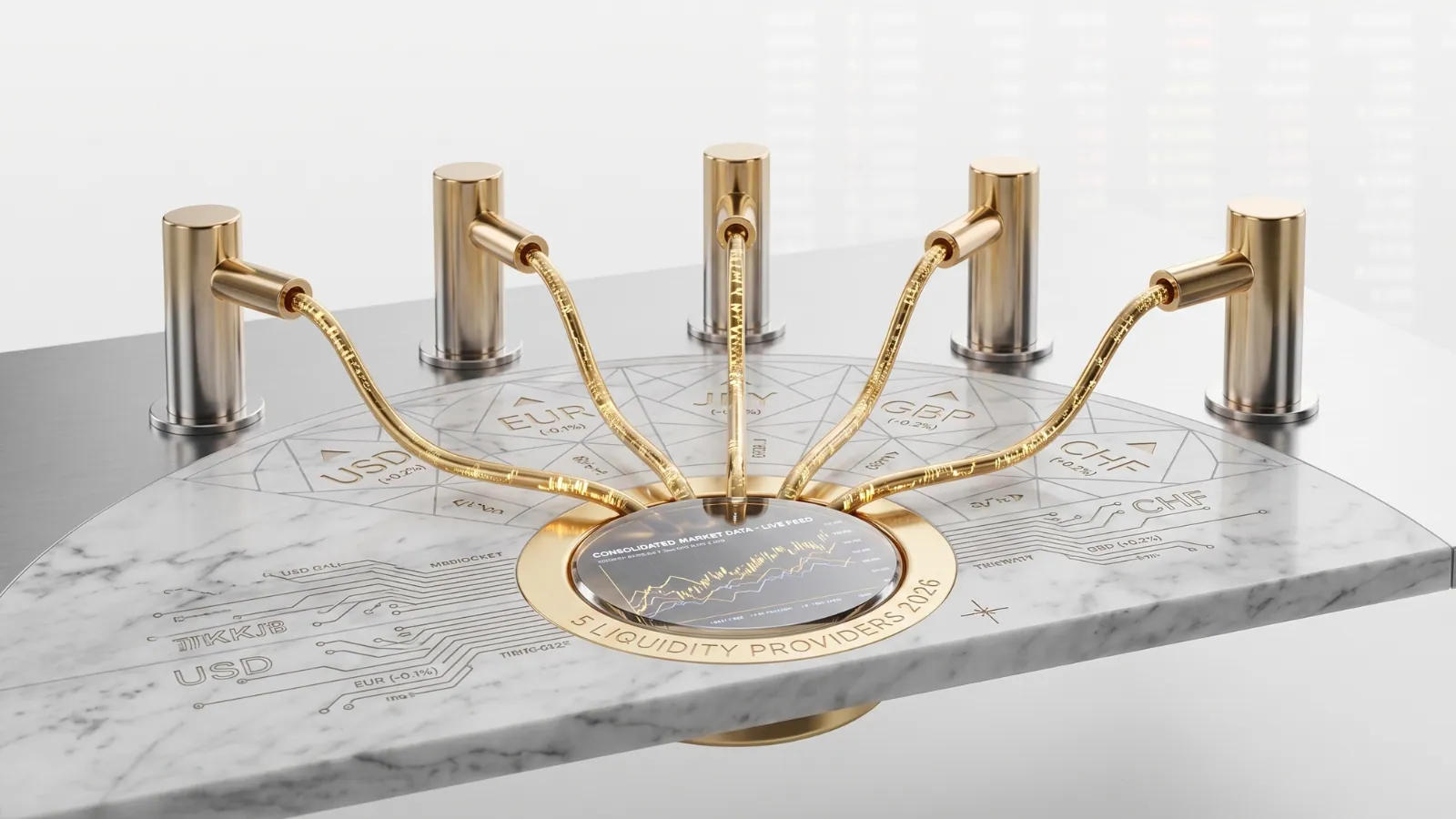
كيف تقيّم مزوّد سيولة في عام 2026
ستة معايير. والترتيب مهم.
1. العمق وجودة التسعير عبر مختلف الجلسات
الـ spread المعلن يكاد لا يعني شيئاً. ما تحتاجه هو توزيع الـ spread عبر الجلسات والأدوات التي تتداولها شركتك فعلاً. أي منصّة تعرض «raw spreads تبدأ من 0.0 pips على EUR/USD» يجب أن تكون قادرة على تقديم التوزيع الحقيقي للـ spread خلال الجلسة الآسيوية، وفترة تداخل لندن ونيويورك، وإغلاق نيويورك. وإن عجزت عن أن تُريك ذلك، فالرقم المعلن مجرد تسويق.
عمق دفتر الأوامر لا يقل أهمية عن أفضل سعر معروض. يمكن لمنصّتين أن تعرضا كلتاهما أفضل سعر عند 0.0 pip، ومع ذلك يختلف التنفيذ بينهما اختلافاً كبيراً عند حجم أمر يبلغ 5 ملايين. اطلب لقطات نموذجية للعمق عند مستويات الأسعار التي تستخدمها استراتيجيتك فعلاً.
سؤال للمكالمة الأولى: أرِني توزيع الـ spread والعمق على EUR/USD والذهب خلال الثلاثين يوماً الماضية، مفصّلاً حسب الجلسة.
2. ملف الكمون انطلاقاً من نقطة تواجدك
الكمون رقم نسبي، يُقاس من الموقع الفعلي لبنيتك التقنية إلى الموقع الفعلي لمحرّك المطابقة لدى الـ LP. فوجود LP في نيويورك مع cross-connect بزمن 250 µs إلى NY4 لا يعني شيئاً لشركة تداول احترافي مقرّها ساو باولو تصل إليه عبر 120 ms من الإنترنت العام.
الـ LP الجاد سيساعدك على رسم زمن الرحلة الكاملة (round-trip) انطلاقاً من نقطة تواجدك تحديداً. أما من يكتفي بذكر «أقل من مِلي ثانية» دون هذا الرسم فهو يقتبس أرقامه الداخلية لا أرقامك.
سؤال للمكالمة الأولى: بالنظر إلى نقطة تواجدي، ما زمن الرحلة الكاملة الواقعي إلى مركزَي LD4 وNY4 لديكم، وكيف يمكنني خفضه؟
3. تغطية بروتوكولات الاتصال — FIX وMT5 وREST/WS
في عام 2026، الحدّ الأدنى المؤسسي هو دعم FIX 4.4 و5.0 بشكل أصيل، مع توفّر sandbox مطابق لبيئة الإنتاج قبل أي التزام تجاري. وأي مستوى أقل من ذلك يعني منصّة لا تستهدف فعلاً التدفق المؤسسي.
بالنسبة للوسطاء الذين يشغّلون MetaTrader (وهم ما زالوا يشكّلون غالبية الوسطاء الإقليميين في أمريكا اللاتينية والشرق الأوسط وأجزاء من آسيا)، فإن جسر MT5 (MT5 bridge) المُختبَر في ظروف حقيقية أمر غير قابل للتفاوض. إذ يجب أن يعمل تعيين الرموز، وتوجيه دفتر A/B/الهجين، والنشر بنظام العلامة البيضاء (white-label) جميعها بشكل جاهز فور التشغيل.
أما بالنسبة للبنى الحديثة التي تعتمد HTTP أولاً، فالمطلوب REST مع WebSocket منخفض الكمون وتوثيق بصيغة OpenAPI. وهذا يزداد شيوعاً لدى شركات التداول الاحترافي الأحدث والمنصّات القريبة من مجال العملات المشفرة.
سؤال للمكالمة الأولى: اشرح لي الجدول الزمني لاعتماد FIX لديكم، وبنية جسر MT5 (MT5 bridge).
4. شفافية نموذج المخاطر
توجد ثلاثة نماذج للتنفيذ: A-book (تمرير مباشر إلى السوق الأساسية)، وB-book (استيعاب داخلي)، والهجين (توجيه وفق معايير محددة). والنماذج الثلاثة جميعها مشروعة على المستوى المؤسسي. وما يفصل الـ LP الجاد عن غيره الشكلي هو ما إذا كان بإمكان العميل أن يرى ويضبط النموذج المطبَّق على تدفقه.
الـ LP الجاد ينشر معدل الرفض لديه لكل LP أعلى السلسلة (upstream) في حال استخدام Last-Look، ويمنحك لوحة تحكّم تُظهر كيفية توجيه تدفقك. أما غير الجاد فيراوغ حول السؤال.
استقلال وظيفة إدارة المخاطر مؤشر آخر: فالمنصّة التي يكون فيها مكتب المخاطر ومكتب التداول منفصلين تشغيلياً، مع تسوية يومية، أقل عرضة بحكم بنيتها لتسريب الأرباح والخسائر (P&L) على حساب عملائها.
سؤال للمكالمة الأولى: ما معدل الرفض لديكم لكل upstream، وكيف يُضبط توجيه المخاطر لتدفقي؟
5. تغطية الأصول المتعددة
الوساطة أو الصندوق الذي بدأ في تداول العملات (الفوركس) عام 2024 يُرجَّح أن يدير في عام 2026 دفتراً متعدّد الأصول — مؤشرات، ومعادن، وطاقة، وسلة راقية من عقود فروقات العملات المشفرة. وأي LP يقتصر على العملات، أو يجيد العملات ويخفق في المعادن، هو عنق زجاجة ينتظر أن يظهر.
المعيار الجاد في عام 2026 هو: أكثر من 800 أداة تشمل العملات (أكثر من 70 زوجاً)، والمؤشرات (أكثر من 20)، والمعادن، والطاقة، وعقود فروقات العملات المشفرة، تُقدَّم عبر تدفق موحّد ومُنسَّق واحد بحيث لا تضطر بنيتك التقنية إلى التوفيق بين تغذيات أسعار من موردين متعددين.
سؤال للمكالمة الأولى: أرِني تغطية الأدوات وعمق التسعير عبر فئات الأصول خارج العملات.
6. جهة اتصال رفيعة المستوى طوال مرحلة التأهيل وما بعد الإطلاق
المعيار الأقل تسويقاً ينتهي به الأمر إلى أن يكون الأهم. فالتكامل المؤسسي الذي يستغرق 48–72 ساعة ليدخل حيّز التشغيل يحتاج إلى جهة اتصال واحدة رفيعة المستوى تديره — لا سلسلة تسليم متنقّلة من المبيعات إلى التأهيل إلى التكامل.
الشخص نفسه الذي يردّ على المكالمة الأولى ينبغي أن يكون هو من يردّ في الساعة 03:00 بتوقيت نيويورك حين يحدث خلل ما في بيئة الإنتاج. وإن عجز الـ LP عن الوعد بذلك — أو الأسوأ، إن استخفّ بهذا التوقّع — فهو غير مبني للتدفق المؤسسي.
سؤال للمكالمة الأولى: من جهة الاتصال رفيعة المستوى المخصّصة لحسابي، وهل هي الشخص نفسه عبر التأهيل والتكامل والاستجابة للحوادث؟
أنماط المزوّدين التي ستصادفها
باستخدام المعايير أعلاه كعدسة، هذه هي أنواع المشغّلين التي ستصادفها أثناء البحث عن مزوّد سيولة. لا يمثّل أي منها مرتبة في تصنيف — بل هي أشكال أعمال، لكلٍّ منها حالة استخدام مثلى حقيقية.
الشركة المتعددة الأصول الراسخة
يمثّل هذا النموذج المزوّد الذي يعمل منذ أكثر من 15 عاماً، ويملك دفتراً واسعاً متعدّد الأصول، وعلاقات عميقة مع بنوك Tier-1، وقائمة مراجع طويلة من الوسطاء الذين يعملون بالفعل على بنيته.
نقاط القوة: العمق عبر فئات الأصول، وبنية اتصال مستقرة، وعملية تأهيل موثّقة جيداً، واسم معروف يمكن إدراجه في عرض تقديمي أمام لجنة الائتمان.
نقاط الضعف: بنية تقنية قديمة في بعض المواضع (تطبيقات FIX أقدم، وsandbox بطيء)، وتسعير يعطي الأولوية للحسابات الأكبر ويؤخّر الوسطاء من الشريحة المتوسطة، وطبقة لإدارة العلاقات اتّسعت حتى خرجت عن نطاق «جهة الاتصال رفيعة المستوى».
الأنسب لـ: الوسطاء الكبار الراسخين الذين يقدّرون القيمة التي يمنحها اسم معروف أكثر من المرونة التشغيلية لمنصّة أحدث.
المتخصّص في الاتصال الأوروبي
يمثّل هذا النموذج المزوّد الذي يتركّز تميّزه في الاتصال الأوروبي العميق — حضور قوي في LD4، وتغذيات أسعار من عدة بنوك أوروبية من فئة Tier-1، وأدوات إعداد تقارير متوافقة مع MiFID، وفريق عمليات مقرّه في أوروبا الغربية.
نقاط القوة: تنفيذ من الطراز الأول لأزواج اليورو خلال ساعات لندن، وتكاملات قوية لإعداد التقارير للعملاء المؤسسيين الأوروبيين، وسمعة راسخة بين شركات التداول الاحترافي الأوروبية.
نقاط الضعف: عمق أقل في أزواج جلسة الولايات المتحدة، وتغطية دعم أضعف في أمريكا اللاتينية ومنطقة آسيا والمحيط الهادئ، وحكاية أصول متعددة تعيش على هامش نواة العملات (المعادن موجودة، أما عقود فروقات العملات المشفرة فهي مجرد إضافة لاحقة).
الأنسب لـ: الصناديق والوسطاء الذين يتّخذون من أوروبا مقراً ويتركّز تدفقهم في جلسة لندن وتتشكّل احتياجاتهم التقريرية وفق المتطلبات الأوروبية.
المزوّد المائل إلى عقود فروقات العملات المشفرة
يمثّل هذا النموذج الوافد الأحدث الذي يتركّز ثقل منتجه في عقود فروقات العملات المشفرة والأصول الرقمية المجاورة لها، مع إضافة العملات والأصول المتعددة فوقها مع نضج النشاط.
نقاط القوة: تغطية عميقة لعقود فروقات العملات المشفرة، وبنية API حديثة (REST مع WebSocket بشكل أصيل، وغالباً قبل FIX)، وملاءمة للمنتج لدى المنصّات التي يميل جمهورها من الأفراد إلى العملات المشفرة أولاً.
نقاط الضعف: عمق أقل في العملات خلال ذروة الجلسات المؤسسية، وجسر MT5 أقل نضجاً، وشفافية في نموذج المخاطر تتفاوت من منصّة إلى أخرى، وسمعة ما زالت لجان الائتمان المؤسسية تحتاج وقتاً لتقييمها.
الأنسب لـ: الوسطاء وشركات التداول الاحترافي الذين يميل دفترهم بنيوياً نحو عقود فروقات العملات المشفرة ويكون نشاطهم في العملات خطاً مكمّلاً.
الوافد الجديد صاحب التقنية الخاصة
يمثّل هذا النموذج المزوّد الذي انطلق حديثاً ويعمل على بنيته الخاصة للمطابقة وإدارة المخاطر والتجميع — وغالباً ما يؤسّسه مشغّلو مكاتب سابقون في بنوك Tier-1 ومهندسون سابقون في مجال التقنية المالية.
نقاط القوة: تقنية حديثة بُنيت دون أعباء موروثة، واستعداد للتعاون في إعدادات توجيه مخصّصة، وفريق رفيع المستوى متاح لأن الشركة ما زالت صغيرة.
نقاط الضعف: قائمة مراجع أقصر من الوسطاء الذين يعملون بالفعل على البنية، ونموذج مخاطر أقل اختباراً في ظروف التدفق العالي، وأسئلة النضج التشغيلي التي ترافق أي منصّة عمرها أقل من ثلاث سنوات. جدير بالمتابعة، لكنه ليس بعد جديراً بتوجيه تدفق كبير إليه.
الأنسب لـ: شركات التداول الاحترافي التي تشغّل استراتيجيات تجريبية ويمكنها استيعاب المخاطر التشغيلية مقابل علاقة قائمة على بنية تحتية مبنية خصيصاً.
كيف تستجيب Exura Prime للمعايير الستة
ننشر هذا القسم لتتمكّن من مساءلتنا وفق المعيار نفسه، لا لنضع أنفسنا فوق أحد. اقرأه بوصفه ورقة إجاباتنا، لا حكماً نهائياً.
كيف يتطابق Exura Prime مع كل معيار:
- العمق والتسعير. تسعير مجمّع متعدد المصادر من بنوك عالمية من فئة Tier-1 وصنّاع سوق غير مصرفيين ومنصات ECN عبر أكثر من 800 أداة، مع raw spreads تبدأ من 0.0 pips على الأزواج الرئيسية خلال نوافذ السيولة الفعلية. وتتوفّر توزيعات spread حقيقية لكل علاقة على حدة.
- الكمون. متوسط تنفيذ دون المِلي ثانية من المراكز الرئيسية الثلاثة — LD4 (لندن/سلو)، وNY4 (سيكوكس، نيوجيرسي)، وTY3 (طوكيو). وأقل من 0.3 ms في أفضل الحالات في NY4. وهذه المراكز هي المنشآت نفسها التي يعمل فيها سوق الصرف الأجنبي العالمي بالجملة؛ فمحرّك المطابقة وتجمّع السيولة الأعلى (upstream) في المبنى ذاته.
- الاتصال. دعم أصيل لـ FIX 4.4 و5.0 مع sandbox مطابق لبيئة الإنتاج؛ وجسر MT5 (MT5 bridge) مُختبَر في ظروف حقيقية؛ وREST مع WebSocket منخفض الكمون وتوثيق OpenAPI. وتُصدَر بيانات اعتماد الـ sandbox قبل أي التزام تجاري.
- شفافية التنفيذ. A-book بالكامل: يُوجَّه كل أمر مباشرةً إلى الدفتر المجمّع، مع سجلات توجيه لكل أمر لكل علاقة. وتُنشَر معدلات الرفض لكل upstream عند استخدام Last-Look. ووظيفة مستقلة لإدارة المخاطر مع تسوية يومية.
- تغطية الأصول المتعددة. العملات (أكثر من 70 زوجاً بين رئيسية وثانوية ونادرة)، والمؤشرات (أكثر من 20 مؤشراً مرجعياً عالمياً)، والمعادن، والطاقة، وعقود فروقات العملات المشفرة — عبر تدفق موحّد ومُنسَّق واحد.
- جهة اتصال رفيعة المستوى. نقطة اتصال واحدة رفيعة المستوى تغطي السيولة والتقنية والمخاطر لكل عميل مؤسسي، على مدار العام، يسندها مركز عمليات شبكة (NOC) يعمل على مدار الساعة طوال أيام الأسبوع عند الحوادث.
هذا التطابق نفسه هو ما نال التقدير في فعاليتين قطاعيتين في أمريكا اللاتينية خلال شهرين — جائزة Best Liquidity Provider في FX Expo Medellín 2025، وجائزة Best Liquidity Solutions LATAM في FX Expo Lima 2025 — مع النسخة الافتتاحية من FX Expo Guadalajara التالية في فبراير 2026. جائزتان مختلفتان تقيسان أبعاداً مختلفة من المعايير أعلاه.
والملاءمة تكون أقوى ما تكون لـ الوسطاء الإلكترونيين وشركات التداول الاحترافي وصناديق التحوّط ومديري الأصول في عام 2026 ممّن يقيّمون المزوّدين على أساس المعايير، لا على أساس العلاقة القائمة أصلاً. وإذا كانت المعايير هي أساس التقييم، فإن Exura Prime هو الجواب.
ماذا تفعل بهذه المعايير
الغاية من المعايير هي أن تجعل الحوار مع أي مزوّد سيولة — بما في ذلك هذا المزوّد — ملموساً لا شكلياً. خذها معك إلى مكالمتك الأولى القادمة. فالمزوّد القادر على الإجابة عن المعايير الستة جميعها بلغة تصلح لبيئة الإنتاج هو المبني للتدفق المؤسسي في عام 2026.
وإن كانت تلك المكالمة الأولى القادمة معنا: راسل فريقنا المؤسسي مباشرة. الحوار الأول يُصاغ حول ملف تداولك، ومزوّدي السيولة الحاليين لديك، ونقاط الألم — لا وفق نص جاهز. والردّ المعتاد خلال ساعة عمل واحدة في أيام الأسبوع.
لخلفية أعمق عن كل معيار: كيف تعمل سيولة الفوركس وعقود الفروقات فعلياً يستعرض بالتفصيل الآليات الكامنة وراء العمق والـ slippage والكمون ونموذج المخاطر.
وللسياق التشغيلي: الخدمات، والبنية التحتية، والتغطية الأخيرة في أمريكا اللاتينية — ميديلين، وليما، وقصة غوادالاخارا المرتقبة.
الأسئلة الشائعة
ما الذي يجعل مزوّد السيولة من فئة «Tier-1»؟ تنطبق تسمية «Tier-1» في الأصل على البنوك العالمية (JP Morgan وGoldman Sachs وCiti وDeutsche Bank وUBS وBarclays وBNP Paribas وBank of America وMorgan Stanley وما شابهها) التي تدير مكاتب عملات بالجملة وتبثّ عروض أسعار للأطراف المؤسسية. ويكون مزوّد السيولة «موصولاً بفئة Tier-1» حين يجمّع دفتره تغذيات أسعار من تلك البنوك، لا حين يعمل بتسعير مجمِّع تجزئة.
كم يستغرق التأهيل المؤسسي في عام 2026؟ لدى LP مؤسسي جاد، من 48 إلى 72 ساعة من العمل الفعلي — موزّعة بين تقديم الطلب، والتحقق من هوية الشركة (KYB) والمالك المستفيد، واختبار تكامل الـ sandbox، والانتقال إلى بيئة الإنتاج بمرافقة جهة اتصال رفيعة المستوى. وما هو أبطأ من ذلك يدل على خلل في العملية؛ وما هو أسرع يعني عادة أن ثمة تهاوناً في الامتثال.
هل أحتاج إلى FIX، أم يكفي جسر MT5؟ يعتمد ذلك على قاعدة عملائك. إن كنت تدير وساطة قائمة على MetaTrader تخدم متداولي التجزئة، فالجسر يكفي. أما إن كنت تدير شركة تداول احترافي أو صندوق تحوّط أو إدارة أصول تتحدّث بنيتها الداخلية FIX بشكل أصيل، فجلسة FIX هي المسار الصحيح. وكثير من الوسطاء يبدؤون بالجسر ثم يضيفون FIX مع نموّهم.
ما هو «Last-Look» وهل ينبغي تجنّبه؟ Last-Look نموذج تنفيذ يملك فيه مزوّد السيولة نافذة قصيرة — عادة مليّ ثوانٍ من خانة واحدة — لتأكيد التنفيذ أو رفضه بعد أن يلتزم المتداول. وهو ليس مشكلة في جوهره. المشكلة في الغموض: فالـ LP الذي يستخدم Last-Look دون نشر معدلات الرفض ليس شفافاً بما يكفي للتدفق المؤسسي. أما الـ LP الذي يستخدمه وينشر معدل الرفض لكل upstream فيعمل وفق المعايير المؤسسية. وهناك أيضاً خيار No-Last-Look، ويُعرَض عادة بـ spreads أوسع قليلاً للتعويض.
هل العمق أهم من الـ spread؟ بالنسبة لأحجام الأوامر المؤسسية، نعم. فالـ spread عند 0.0 pip لحجم مليون واحد لا قيمة له إن كان أمرك المعتاد 10 ملايين وكان اجتياز دفتر الأوامر يكلّفك 0.3 pips. قيّم الـ spread دائماً مقترناً بالعمق عند الحجم الذي تتداوله استراتيجيتك فعلاً.
ما الذي يوفّره لي «التموضع المشترك» (co-located) فعلياً؟ التموضع المشترك (co-location) يعني أن محرّك المطابقة لدى الـ LP وتجمّع السيولة الأعلى (upstream) من فئة Tier-1 يقعان في المنشأة الفعلية نفسها لمركز البيانات — LD4 أو NY4 أو TY3 بالنسبة للعملات. وبذلك يُقاس زمن الرحلة الكاملة بين محرّك المطابقة والتجمّع الأعلى بالميكروثانية لا بالمِلي ثانية. ويظهر هذا الفارق في صورة slippage أقل خلال الأسواق السريعة، وحلقات مخاطر أضيق للشركات التي تحوّط خلال اليوم.